Social & Leisure
The transition into later life brings profound changes that extend far beyond the workplace. For many older adults, the shift away from structured daily routines creates an unexpected challenge: how to fill time meaningfully while maintaining the social connections that sustain both mental and physical health. Research consistently demonstrates that social engagement and purposeful leisure activities are not optional luxuries but fundamental pillars of healthy aging, directly influencing longevity, cognitive function, and overall well-being.
Yet navigating this new landscape presents real obstacles. From overcoming the inertia that follows retirement to finding communities that genuinely welcome participation, seniors face barriers that can gradually lead to isolation if left unaddressed. This comprehensive resource explores the essential dimensions of social life and leisure for older adults, offering practical strategies to build connection, maintain purpose, and create a fulfilling daily rhythm that protects against the health risks of loneliness.
Why Social Connection Matters for Health and Longevity
The evidence linking social relationships to physical health outcomes is remarkably robust. Studies tracking older adults over decades reveal that social isolation carries health risks comparable to smoking fifteen cigarettes daily, increasing mortality risk by nearly 30%. This isn’t merely correlation—the biological mechanisms are well understood.
When we engage in meaningful social interaction, our bodies respond at a cellular level. Stress hormones like cortisol decrease, while beneficial compounds including oxytocin and dopamine increase. Regular social contact strengthens immune function, reduces inflammation, and even influences cardiovascular health by moderating blood pressure and heart rate variability.
The cognitive benefits prove equally compelling. Socially active seniors demonstrate slower rates of cognitive decline and reduced dementia risk. Conversation, even brief exchanges, activates multiple brain regions simultaneously—processing language, reading facial expressions, managing turn-taking, and accessing memories. These mental gymnastics provide exactly the kind of varied stimulation that maintains neural plasticity well into advanced age.
Navigating the Retirement Transition
Retirement often arrives with contradictory emotions: relief and anticipation mixed with unexpected disorientation. The « retirement void » describes the psychological impact of losing the structure, social network, and sense of purpose that employment provided for decades.
Creating Structure Without Rigidity
The solution isn’t to replicate a work schedule, but to establish intentional rhythms that provide gentle structure. Successful retirees often maintain regular wake times, designate specific days for specific activities, and create weekly anchor points—a Tuesday morning art class, Thursday volunteer shift, or Saturday coffee with friends. This framework prevents days from blurring together while preserving the flexibility that makes retirement appealing.
Choosing High-Value Activities
Not all ways to fill time offer equal returns. High-value activities share three characteristics: they engage you mentally, connect you with others, and align with your personal values or interests. Volunteering at a literacy program checks all three boxes; passive television watching checks none. The goal is building a portfolio of activities across different domains—physical, social, intellectual, and creative—rather than over-investing in a single pursuit.
Avoiding Over-Commitment
Paradoxically, newly retired individuals sometimes fall into the trap of scheduling themselves as intensely as during their working years. The resulting fatigue can trigger withdrawal. Effective transition planning involves gradually adding commitments, leaving substantial unstructured time for spontaneity, rest, and activities that emerge organically.
Overcoming Social Barriers and Building Confidence
Even socially confident individuals may experience unexpected inertia when attempting to build new social connections later in life. Understanding the psychological and practical obstacles helps address them systematically.
Understanding Energy and Introversion
Social interaction requires energy, and that energy budget changes with age. Introverts particularly may find that activities that once felt manageable now feel depleting. This doesn’t signal a problem—it signals a need for strategic social planning. Low-pressure interactions like walking groups, craft circles, or attending lectures offer social contact without the intensity of dinner parties or prolonged conversations.
Preventing the Isolation Spiral
Isolation feeds itself through a pernicious cycle: initial withdrawal leads to decreased social confidence, which makes re-engagement feel more daunting, which prompts further withdrawal. Breaking this pattern requires recognizing the early warning signs—declining invitations repeatedly, going days without meaningful conversation, or feeling anxious about social situations that previously felt comfortable. Intervention is most effective early, before patterns solidify.
Optimizing Frequency and Format
Research suggests that regular, modest social contact surpasses occasional intensive socializing. Weekly attendance at a community group provides more sustained benefit than monthly large gatherings. Similarly, one-on-one or small group interactions often feel more genuine and less exhausting than large social events, particularly for those rebuilding social confidence.
Finding Your Community
The communities that sustained you during working years—colleagues, school parents, professional networks—naturally disperse in retirement. Replacing them requires intentional effort, but the landscape of options is broader than many realize.
Identifying Niche Groups
Generic « senior centers » work wonderfully for some but feel alienating to others. The key is finding groups organized around specific shared interests rather than age alone. Whether it’s a photography club, gardening cooperative, political action group, or bird-watching society, interest-based communities naturally facilitate connection through shared passion and common language.
Overcoming Entry Anxiety
Walking into an established group as a newcomer triggers anxiety at any age. Practical strategies help ease this transition:
- Contact the organizer beforehand to introduce yourself and ask what to expect
- Attend with a friend if possible, or arrange to meet someone at the entrance
- Commit to attending at least three times before deciding—first impressions often mislead
- Arrive slightly early when the room is less crowded and people are still settling
Creating Your Own Group
If existing options don’t fit, creating a new group is more feasible than many assume. A simple notice at a library, community center, or place of worship stating « Starting a monthly book club focused on historical fiction—interested readers contact… » often generates surprising response. You control the culture, pace, and focus from inception.
Lifelong Learning as Social Engagement
Learning new skills serves dual purposes: it provides the cognitive stimulation that protects brain health while creating natural opportunities for social connection.
Understanding Neuro-Protection
Acquiring new knowledge and skills—particularly those requiring sustained attention and practice—stimulates neuroplasticity, the brain’s ability to form new neural connections. This process actively counteracts age-related cognitive decline. Learning a language, musical instrument, or complex craft like woodworking provides especially powerful benefits because they engage multiple cognitive systems simultaneously.
Balancing Challenge and Frustration
The ideal learning activity sits in the « growth zone »—difficult enough to require effort but not so challenging that it triggers frustration and abandonment. Community education programs, adult learning centers, and online platforms designed for older learners often provide appropriately paced instruction that acknowledges different learning speeds without condescension.
Avoiding Passive Consumption
Watching educational documentaries provides some cognitive benefit, but active learning—practicing a skill, discussing concepts, creating something—generates far more robust neural engagement. Joining a class rather than watching videos alone transforms a solitary activity into a social one, compounding the benefits.
Strengthening Family Bonds Across Generations
Family relationships offer unique value but require active maintenance, particularly as generational gaps widen and everyone’s lives grow busier.
Understanding Generational Boundaries
Adult children and grandchildren exist in different cultural moments, with different reference points, communication styles, and daily pressures. Genuine connection requires curiosity rather than judgment—asking questions about their world, listening to understand rather than correct, and finding common ground in shared activities rather than shared opinions.
Creating Sustainable Rituals
Regular, predictable connection points work better than sporadic intense contact. A weekly video call with grandchildren, monthly family dinner, or annual multi-generational trip creates touchstones everyone can anticipate. The key is designing rituals that genuinely fit everyone’s schedules and preferences rather than imposing expectations that breed resentment.
Choosing Effective Communication Channels
Different family members may prefer different contact methods. While phone calls might feel most natural to you, adult children might respond more readily to text messages, and grandchildren to photo-sharing apps or video messages. Meeting people through their preferred channels demonstrates flexibility and increases the likelihood of regular contact.
Staying Active Through Travel and Outings
Regular outings, whether day trips or extended travel, provide novelty and stimulation that benefit both cognition and mood. However, age-related changes in stamina, mobility, and health considerations require thoughtful planning.
Vetting Accessibility and Pacing
Before committing to a destination or activity, research practical details: distance from parking to venues, availability of seating, accessibility of restrooms, and terrain challenges. Many venues now provide detailed accessibility information online. Realistic pacing—building rest periods into itineraries, limiting daily activities, and scheduling easier days after demanding ones—prevents exhaustion that can spoil trips or trigger health issues.
Comparing Transportation Options
Different transport modes suit different needs and abilities. Group tours eliminate navigation stress but reduce flexibility. Driving offers control but may become fatiguing. Trains and buses provide relaxation but require schedule adherence. Evaluating options based on your specific physical capabilities, comfort with navigation, and desire for social interaction versus independence helps match methods to goals.
Building Daily Connection Through Micro-Interactions
While close friendships and family bonds receive the most attention, brief daily exchanges with acquaintances, neighbors, and service providers contribute meaningfully to well-being.
The Biology of Brief Connection
Even a two-minute friendly conversation with a mail carrier, barista, or fellow dog walker triggers positive physiological responses. These micro-interactions activate social neural networks, provide moments of recognition and belonging, and create rhythmic touchpoints throughout the week that counteract isolation.
Designing Your « Third Place »
The « third place » concept describes spaces beyond home and work where informal public life unfolds. For older adults, this might be a coffee shop where you’re recognized, a park where you regularly walk, a library reading room, or a community garden plot. Regularly frequenting the same spaces allows familiar faces to emerge, creating low-stakes opportunities for gradual relationship building.
Scheduling Regular Outings
Making specific appointments with yourself— »I go to the farmers market every Saturday morning » or « I have coffee at the corner café every Tuesday and Thursday »—ensures you’re exposed to social opportunities even when motivation lags. The routine itself becomes supportive, reducing the activation energy required to leave home.
Protecting At-Risk Seniors from Isolation
Some older adults face heightened isolation risk due to mobility limitations, hearing or vision loss, geographic remoteness, or lack of nearby family. Systemic approaches can provide protective scaffolding.
Identifying Early Warning Signs
Observable changes that may signal emerging isolation include: declining personal grooming, missed appointments, confusion about dates or recent events, unopened mail accumulation, or expressions of hopelessness. Friends and family members who maintain regular contact are best positioned to notice these shifts early, when intervention is most effective.
Building a Check-In Circle
Rather than relying on a single person for social contact and practical support, effective safety nets involve multiple individuals who maintain regular, scheduled contact. This might include a neighbor who waves each morning, a friend who calls weekly, a family member who visits monthly, and a volunteer visitor from a community organization. This distributed system ensures someone notices if patterns change and prevents any single person from bearing excessive responsibility.
Planning for Challenging Seasons
Winter months present particular risks in many regions, as weather limits mobility and shortened daylight affects mood. Proactive planning—arranging transportation for winter activities, increasing video calls during dark months, or scheduling regular phone check-ins—helps maintain connection when natural opportunities decline.
Building a rich social life and meaningful leisure pursuits in later years isn’t about frantically filling every hour or forcing yourself into uncomfortable situations. It’s about intentionally creating the conditions for connection, purpose, and engagement in ways that honor your energy, interests, and values. The strategies explored here—from structuring post-retirement time to nurturing micro-interactions—work together to create a sustainable foundation for thriving, not merely surviving, in the years ahead.
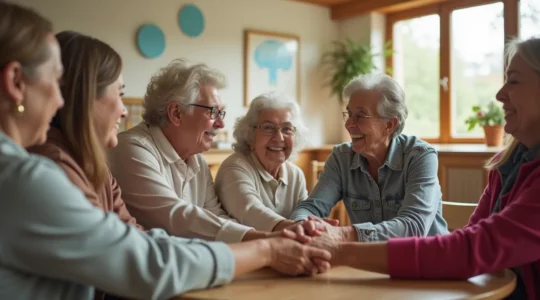
How to Set Up a « Safety Net » System to Prevent Isolation Before It Starts?
Preventing senior isolation is not about adding more social activities; it’s an act of structural engineering to build a resilient social safety net. Identify and neutralize single « points of failure » like relying only on a spouse or a single hobby….
Lire la suite
Why Small Moments of Connection Are as Important as Lifelong Friendships
Your well-being doesn’t hinge on a busy social calendar, but on collecting small, positive ‘social snacks’ throughout your day. Brief, friendly encounters (like a chat with a cashier) trigger the release of serotonin, a key mood-stabilizing neurochemical. These micro-interactions are…
Lire la suite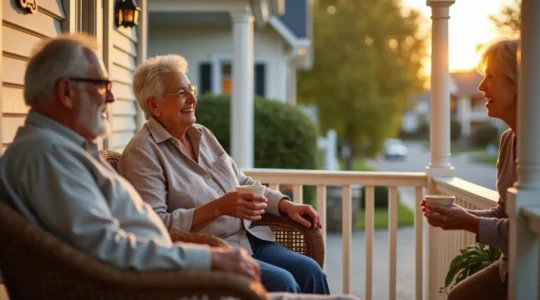
How to Foster a Sense of Belonging in Your Neighborhood After Retirement?
Contrary to popular belief, the key to belonging after retirement isn’t just « staying busy »—it’s about consciously creating a new, visible role for yourself within your local community. Invisibility stems from the loss of a professional identity, not a lack of…
Lire la suite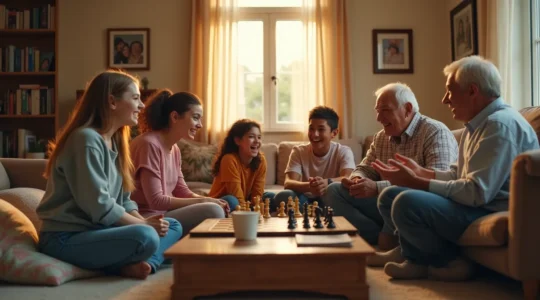
How to Host Intergenerational Gatherings Where Teens and Seniors Actually Connect
The key to connecting teens and seniors isn’t finding a common interest, but designing interactions where each generation feels seen, valued, and genuinely useful to the other. Shift from one-way lectures (« back in my day ») to two-way dialogues by asking…
Lire la suite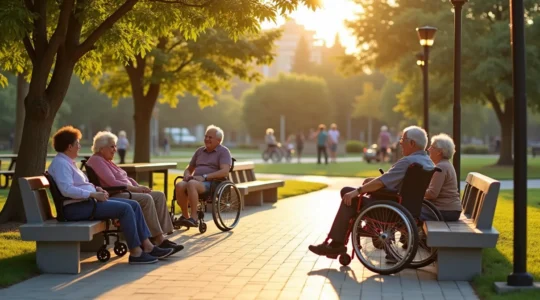
Planning Accessible Outings for Seniors: A Guide for Mixed-Mobility Groups
In summary: Shift focus from finding « accessible » venues to proactively engineering a « fatigue-proof » experience. Treat participant energy as a finite « energy budget » to be managed throughout the day, not just at the destination. Quantify and minimize the « transfer cost »—the physical…
Lire la suite
How to Deepen Relationships With Adult Children Without Being Intrusive?
The path to a closer relationship with your adult children isn’t about trying harder with old methods, but by fundamentally shifting your role. This guide moves beyond common advice to explain the psychology of why advice feels like criticism and…
Lire la suite
How Can Participating in Cultural Workshops Protect Your Brain From Decline?
Contrary to the popular belief that brain health activities should be effortless fun, the most potent neuroprotection comes from the very moments of frustration and challenge. It’s not simply about keeping busy with puzzles; it’s about engaging in a process…
Lire la suite
How to Find a Niche Club That Truly Matches Your Interests
Finding fulfilling friendships as a senior isn’t about joining more clubs; it’s about mastering the art of finding the one with the right « social fit. » Success depends on learning to diagnose a group’s health before committing and choosing a structure…
Lire la suite
How to Maintain an Active Social Life When You Are Naturally Introverted?
For many introverted seniors, the standard « cure » for loneliness—large social events—often feels worse than the disease. Social energy is a finite resource; the key is to focus on « parallel pursuits » where a shared activity is the focus, not forced conversation….
Lire la suite
Beyond the 9-to-5: How to Design a Retirement Week That Fills Your Life, Not Just Your Calendar
The cure for retirement emptiness isn’t a busy schedule; it’s a purpose-driven life architecture. The loss of a work routine often creates a void of identity and purpose, which can lead to significant mental health challenges. Building a « Joy Schedule »…
Lire la suite