Personal Support Worker
When aging, illness, or disability affects daily independence, a personal support worker often becomes the bridge between vulnerability and dignified living. These dedicated professionals do far more than assist with routine tasks—they provide emotional companionship, ensure safety, and help maintain the quality of life that everyone deserves. Yet finding the right match requires understanding not just what these caregivers do, but how their unique skills and personality can transform the caregiving experience.
Whether you’re considering hiring a personal support worker for yourself or a loved one, navigating this decision can feel overwhelming. This comprehensive resource breaks down everything you need to know: from understanding the true scope of their role and identifying essential qualities, to fostering effective communication and ensuring safe, enriching experiences beyond the home. By the end, you’ll have the foundational knowledge to make informed decisions and build a supportive, trusting relationship with the right caregiver.
What Does a Personal Support Worker Actually Do?
Personal support workers—sometimes called home care aides, caregivers, or personal care assistants—occupy a unique position in the healthcare ecosystem. Unlike registered nurses who focus on medical interventions, or family members who may lack professional training, these professionals specialize in the daily living activities that maintain comfort, hygiene, and independence.
Their responsibilities typically include assistance with bathing, dressing, grooming, and toileting—tasks that require both physical capability and profound respect for dignity. They often help with meal preparation tailored to dietary restrictions, light housekeeping to maintain a safe environment, and medication reminders to ensure treatment adherence. Beyond these practical duties, personal support workers provide crucial companionship and emotional support, combating the isolation that frequently accompanies aging or disability.
Think of them as the orchestrators of daily life: they notice when routines change, when mood shifts occur, or when health concerns emerge. This observational role makes them invaluable partners to healthcare teams, often spotting early warning signs that family members might miss. Understanding this multifaceted role helps clarify why selecting the right person involves far more than reviewing a resume—it requires assessing personality, emotional intelligence, and genuine compatibility.
Finding the Right Personal Support Worker for Your Needs
The hiring process for a personal support worker differs fundamentally from typical employment decisions. You’re not just filling a position; you’re inviting someone into the most intimate aspects of daily life. This section explores the critical factors that determine long-term success.
Assessing Personality Compatibility and Emotional Intelligence
Research consistently shows that personality alignment predicts caregiver satisfaction better than credentials alone. A highly qualified worker whose communication style clashes with the care recipient’s temperament will create tension, no matter their technical skills. During interviews, observe how candidates respond to open-ended questions about challenging situations. Do they demonstrate patience? Can they describe a time when they adapted their approach to meet someone’s unique preferences?
Emotional intelligence—the ability to recognize, understand, and respond appropriately to emotions—is equally vital. A worker with high emotional intelligence will notice when anxiety is building before it becomes a crisis, or recognize that resistance to bathing might stem from fear of falling rather than stubbornness. Consider asking candidates to describe how they’ve handled emotional moments in previous caregiving roles, listening for empathy, self-awareness, and adaptive problem-solving.
Conducting Thorough Background Verification
While personal connection matters enormously, safety cannot be compromised. Comprehensive background checks should include criminal record searches, verification of certifications and training, and reference checks from previous employers or clients. Don’t hesitate to ask specific questions during reference calls: How did the worker handle conflicts? Were they reliable and punctual? Would the reference hire them again?
Beyond formal checks, trust your instincts during the interview process. Evasive answers about employment gaps, reluctance to provide references, or inconsistencies in their story warrant further investigation. Reputable hiring agencies typically handle these verifications, but if hiring independently, invest the time to do this thoroughly—it’s a crucial foundation for peace of mind.
Choosing the Right Hiring Model and Managing Trial Periods
You’ll generally encounter three hiring models: agency-employed workers, independently contracted caregivers, or private direct hires. Agency workers offer the convenience of vetted candidates, substitutes when needed, and professional oversight, though at a higher cost. Independent contractors provide more flexibility and potentially lower rates, but require you to handle payroll, insurance, and backup planning. Direct private hires offer maximum control and relationship continuity, but place all management responsibilities on you.
Regardless of model, implement a trial period of at least two to four weeks. This window allows both parties to assess the fit in real-world conditions. During this time, observe punctuality, communication quality, how they handle unexpected situations, and most importantly, the care recipient’s comfort level. Schedule brief check-ins to discuss what’s working and what might need adjustment—this open dialogue sets the tone for the entire relationship.
Essential Communication Skills That Transform Care
Technical competence in bathing or medication management means little if communication breaks down. The most effective personal support workers master subtle but powerful communication techniques that preserve dignity while building genuine connection.
The Power of Active Listening
Active listening goes far beyond hearing words—it involves full attention, empathetic responses, and confirmation that the message was understood. For someone receiving care, being truly heard can be the difference between feeling like a burden and feeling valued. A skilled worker will pause their tasks to make eye contact when someone speaks, ask clarifying questions, and reflect back what they’ve heard: « So you’re feeling anxious about tomorrow’s appointment because of the traffic. Let’s plan to leave earlier so you feel more relaxed. »
This technique also uncovers needs that might otherwise go unspoken. An older adult might not directly state they’re lonely, but through attentive listening, a caregiver might hear hints in their stories about the past or repeated mentions of family who don’t visit often. This awareness allows the worker to provide additional companionship or suggest activities that combat isolation.
Avoiding Elderspeak and Maintaining Dignity
« Elderspeak »—the tendency to use overly simplified language, pet names, or a sing-song tone when speaking to older adults—is surprisingly common and deeply damaging. Phrases like « How are we doing today, sweetie? » or « Let’s get you changed now » can feel infantilizing to someone who spent decades managing a career and household. Research links elderspeak to increased resistance to care, decreased self-esteem, and even faster cognitive decline.
Respectful communication uses adult-to-adult language, offers choices rather than directives, and acknowledges the person’s autonomy. Instead of « It’s time for your bath now, » try « Would you prefer to bathe before or after breakfast? » This simple shift recognizes agency and maintains dignity. The best personal support workers naturally adapt their communication style to match the individual’s preferences—some appreciate cheerful conversation during care tasks, others prefer quiet efficiency.
Understanding the Health and Emotional Impact of Quality Care
The presence of a skilled personal support worker creates ripple effects that extend far beyond the tasks they perform. Understanding these broader impacts helps explain why investing in the right caregiver is a health intervention, not just a convenience.
The Connection Between Isolation, Immunity, and Professional Care
Social isolation isn’t merely unpleasant—it’s a significant health risk. Studies have consistently linked prolonged isolation to weakened immune function, elevated inflammation markers, and increased susceptibility to infections. For seniors or those with disabilities who may have limited mobility or social networks, a personal support worker often becomes the primary consistent human connection.
This regular interaction provides crucial stimulation: conversation exercises cognitive function, shared meals encourage proper nutrition, and the simple presence of another person can reduce stress hormones that suppress immunity. Professional caregivers trained to recognize isolation’s warning signs—withdrawal, loss of interest in previously enjoyed activities, changes in appetite—can intervene early by suggesting social activities, facilitating connections with community resources, or simply ensuring meaningful daily interaction occurs.
Recognizing and Responding to Depression
Depression in older adults often manifests differently than in younger populations, making it easy to miss. Rather than obvious sadness, symptoms might include increased physical complaints, memory problems, neglect of personal care, or irritability. A personal support worker who sees the care recipient daily is uniquely positioned to notice these subtle changes and bring them to family or medical attention.
However, it’s crucial to understand role boundaries. Personal support workers provide emotional support and companionship, but they are not mental health therapists. Their role involves recognizing concerning patterns and facilitating appropriate professional help—whether that’s encouraging a conversation with the primary physician, alerting family members, or helping the individual access counseling services. Clarifying these boundaries during hiring prevents misunderstandings and ensures everyone understands the scope of support being provided.
Supporting Safe Mobility and Meaningful Travel Experiences
One of the greatest fears accompanying declining mobility is losing the ability to leave home—to attend family gatherings, enjoy nature, or simply experience a change of scenery. A skilled personal support worker can make the difference between confinement and continued engagement with the wider world.
Planning and Managing Safe Outings
Successful outings begin with thoughtful planning that addresses both physical logistics and emotional concerns. This includes assessing the destination’s accessibility (are there stairs, adequate bathroom facilities, places to rest?), planning routes that minimize stress and physical strain, and timing activities around energy levels and medication schedules. Many people find their anxiety about trips diminishes significantly when they know contingencies have been considered.
A prepared caregiver packs strategically: extra medications, incontinence supplies, snacks for blood sugar management, a change of comfortable clothing, and any mobility aids required. They also research the destination beforehand to identify accessible parking, locate bathrooms, and confirm any special accommodations needed. This preparation transforms an outing from a stressful gamble into a confident, enjoyable experience.
Choosing Appropriate Vehicles and Managing Travel Logistics
Vehicle selection significantly impacts both safety and comfort. For individuals using wheelchairs, walkers, or experiencing significant mobility limitations, vehicles with low entry steps, grab handles, and adequate space for equipment are essential. Some families invest in vehicle modifications, while others partner with accessible transportation services—decisions that should involve input from the personal support worker who will be managing the logistics.
The caregiver’s role extends to planning biological needs during travel—knowing where accessible restrooms are located along the route, timing fluid intake to minimize urgency, and managing any continence concerns with dignity and discretion. Debunking the fear that accidents or emergencies make travel impossible is one of the most empowering gifts a skilled worker can provide. With proper planning and a calm, prepared caregiver, the world remains accessible.
Choosing and working with a personal support worker represents one of the most significant decisions in maintaining quality of life and independence. By understanding the full scope of their role, prioritizing compatibility alongside credentials, fostering respectful communication, and recognizing the profound health impacts of quality care, you create the foundation for a relationship built on trust and dignity. Whether you’re just beginning this journey or looking to improve an existing arrangement, these insights provide a roadmap for care that truly supports the whole person—body, mind, and spirit.
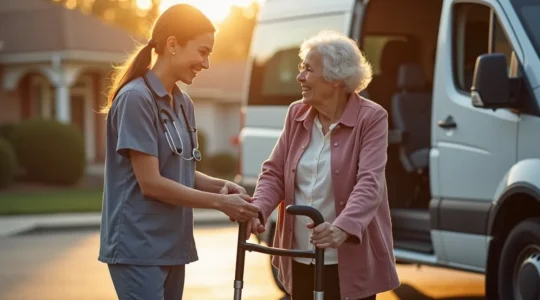
How Can a PSW Help Me Travel Safely? A Guide to Outings for Seniors with Mobility Issues
The fear of logistical nightmares shouldn’t shrink your world; the right support system makes safe, joyful travel entirely possible. Expert planning transforms overwhelming details, like bathroom access and transport, into a seamless « logistical choreography. » A Personal Support Worker (PSW) acts…
Lire la suite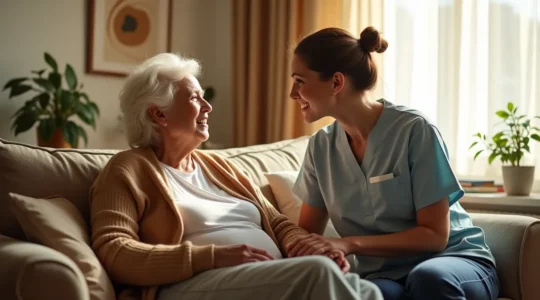
Why Emotional Support from Caregivers Is as Vital as Physical Aid for Lonely Seniors?
Hiring a caregiver for physical tasks like cleaning or cooking often fails to address a senior’s deepest need: the profound ache of loneliness. This article moves beyond the checklist of duties to reveal why emotional support is not a luxury,…
Lire la suite
How to Hire a Personal Support Worker Who Truly Connects With Difficult Seniors?
Hiring for a resistant senior has less to do with a caregiver’s resume and more to do with finding a specific ‘personality key’ that fits the unique lock of their resistance. Personality clashes, not incompetence, are the primary reason care…
Lire la suite