
Constantly fighting with your aging parent over their diet isn’t just exhausting—it’s a failing strategy.
- True, lasting change comes from gradual « palate re-education » and collaborative choices, not sudden, drastic restrictions that feel like punishment.
- Focusing intensely on one disease (like low sugar for diabetes) can dangerously worsen others (like hypertension from high-sodium « sugar-free » foods).
Recommendation: Shift from being the « food police » to a diplomatic partner. Start by turning grocery shopping into a shared detective game to find lower-sodium options together and celebrate the small wins.
The daily standoff over the salt shaker. The quiet sigh when you see them reach for a sugary processed snack. If you’re a caregiver for an aging parent, this battle of wills is likely a familiar and draining routine. You’ve presented the doctor’s orders, explained the risks of high blood pressure or diabetes, and maybe even tried pleading. Yet, the resistance continues, turning mealtime into a minefield of tension and resentment. This struggle isn’t just about food; it’s about autonomy, identity, and a lifetime of habits clashing with new, unwelcome limitations.
The common advice—to just talk it out, hide the « bad » foods, or cook blander meals—often backfires spectacularly. It positions you as an enforcer and your parent as a disobedient child, eroding trust and triggering defiance. But what if the entire approach is flawed? What if the key to success isn’t about stricter control, but about a cleverer, more diplomatic strategy? This guide reframes the challenge entirely. We will move beyond the food police mentality and into the realm of nutritional diplomacy, a method built on collaboration, subtle environmental shifts, and a deep respect for your parent’s dignity.
This article will provide a step-by-step framework for navigating this sensitive issue. We’ll explore how to re-educate the palate without anyone noticing, decode misleading food labels together, avoid common dietary errors that have serious consequences, and ultimately, transform a source of conflict into an opportunity for connection. It’s time to end the food wars and build a partnership for better health.
To help you navigate this complex emotional and nutritional landscape, we have structured this guide to address the most critical challenges you face. From stealthy kitchen swaps to understanding the psychology behind dietary resistance, each section offers practical, diplomatic solutions.
Contents: A Diplomatic Guide to Navigating Senior Diets
- How to Swap Salt for Spices Without Your Parents Noticing the Change?
- Why Even « Healthy » Soups Are Spiking Your Parent’s Blood Pressure?
- The Restrictive Diet Error That Causes Seniors to Stop Eating Entirely
- Low Sodium vs Reduced Sodium: What Do These Labels Actually Mean?
- How to Transition a Senior to a Heart-Healthy Diet in 4 Weeks?
- The « One Disease Focus » Error That Lets Other Conditions Worsen
- Why Your « Advice » Is Perceived as Criticism by Your Adult Children?
- Why Seniors Lose Appetite and How to Fix It With Nutrient-Dense Micro-Meals?
How to Swap Salt for Spices Without Your Parents Noticing the Change?
The biggest complaint from seniors on a low-sodium diet is that food becomes « tasteless. » The immediate instinct to simply remove the salt shaker is a declaration of war. A more diplomatic approach is a stealth mission of « palate re-education. » The human palate is remarkably adaptive. Research from health experts suggests that taste buds adapt to lower salt levels in about two to three weeks. The key is to make the transition so gradual and flavorful that the absence of salt isn’t a glaring void but an unnoticed change.
Instead of subtraction, focus on addition. Your new allies are the spices, herbs, and aromatics that can create complex, satisfying flavors. Think of it as a strategic upgrade, not a restriction. Start with familiar, comforting dishes. If your parent loves roasted chicken, don’t just remove the salt. Instead, create a robust rub of garlic powder (not garlic salt), onion powder, smoked paprika, and dried rosemary. These create a savory crust that provides a powerful sensory experience. For soups and stews, a bay leaf, a dash of thyme, and freshly ground black pepper can add incredible depth.
The most clever tactic is the « blended approach. » Don’t throw out their favorite high-sodium broth or sauce. Instead, start mixing it 75/25 with a low-sodium version. After a week, move to 50/50, and then 25/75. This slow tapering allows their palate to adjust without the shock of a sudden change. You’re not taking anything away; you’re just subtly recalibrating their definition of « flavorful. » This method respects their preferences while guiding them towards a healthier baseline, making you a clever partner rather than a controlling adversary.
Why Even « Healthy » Soups Are Spiking Your Parent’s Blood Pressure?
You’ve successfully steered your parent away from the chips and pretzels aisle, guiding them toward what seems like a safe haven: canned soups, broths, and pre-made « healthy » meals. It feels like a victory, but a hidden danger often lurks within these processed foods. The reality is that the majority of sodium in the Western diet doesn’t come from the salt shaker; it comes from packaged and restaurant foods. On average, CDC data shows Americans consume 3,400 mg of sodium daily, far exceeding the recommended 2,300 mg limit, and canned soups are one of the biggest offenders.
A single serving of a popular brand of chicken noodle soup can contain over 800 mg of sodium—more than a third of the daily recommended amount. Even organic, « healthy » vegetable soups can be packed with sodium, which is used not only for flavor but also as a preservative to extend shelf life. The marketing on the label can be incredibly deceptive, using words like « natural » or « wholesome » to create a health halo around a product that is, from a sodium perspective, a liability for anyone with hypertension.
This is where your role as a diplomatic partner shines. Instead of banning soup, you can reframe the problem. Suggest making a large batch of homemade soup together over the weekend. You control the ingredients, using a no-salt-added broth and building flavor with roasted vegetables, herbs, and spices. Portion it into single-serving containers for easy lunches throughout the week. This not only solves the sodium problem but also creates a positive, collaborative activity. It shifts the focus from « You can’t have that » to « Let’s create something delicious and healthy that we can both enjoy. »
The Restrictive Diet Error That Causes Seniors to Stop Eating Entirely
One of the most dangerous unintended consequences of a poorly managed restrictive diet is not just frustration, but malnutrition. When food becomes a source of stress, blandness, and conflict, some seniors may simply opt out. They reduce their intake, skip meals, or claim they’re « not hungry » to avoid another lecture or a tasteless plate. This can lead to a rapid decline in health, causing weight loss, muscle wasting (sarcopenia), and dangerous nutrient deficiencies.
This is often exacerbated when a caregiver’s well-intentioned efforts become overly rigid. If every single meal is policed and every small indulgence is met with disapproval, the pleasure of eating—a fundamental source of comfort and joy, especially in later life—is completely extinguished. The psychological toll of this deprivation can be immense, leading to feelings of depression and helplessness that further suppress appetite. The diet, meant to extend life, ends up diminishing its quality so much that the will to participate falters.

The diplomatic solution is the 80/20 principle of enjoyment. This means that 80% of the time, meals adhere to the healthy guidelines, focusing on nutrient-dense, flavorful, low-sodium, and low-sugar options. But 20% of the time, there is room for their favorite treat—a small scoop of real ice cream, a few high-quality cookies, or a small portion of their favorite salty snack. Scheduling this « treat » makes it a planned event rather than a transgression. It gives them something to look forward to, restores a sense of autonomy, and shows that you see them as a person, not just a patient. This balance makes the diet sustainable and prevents the dangerous slide into food refusal.
Low Sodium vs Reduced Sodium: What Do These Labels Actually Mean?
Navigating the grocery store aisle is like trying to crack a code. Food marketers are masters of language, using legally defined terms that sound helpful but can be deeply misleading. Understanding the difference between labels like « Low Sodium » and « Reduced Sodium » is a critical skill in nutritional diplomacy. This knowledge empowers you to work with your parent as a « label detective, » turning a chore into a collaborative game.
« Reduced Sodium » is perhaps the most deceptive term. It simply means the product contains at least 25% less sodium than the original version. This sounds great, but if the original product was incredibly high in sodium, the « reduced » version can still be a salt bomb. For example, a soy sauce with 1000 mg of sodium per tablespoon could be labeled « Reduced Sodium » with 750 mg—still a dangerously high amount. In contrast, « Low Sodium » is a much more reliable claim, meaning the product contains 140 mg of sodium or less per serving. « Sodium-Free » is the gold standard, with less than 5 mg per serving.
The most powerful tool you can use together is the 5/20 rule on the Nutrition Facts panel. As a general guide, 5% Daily Value (DV) or less of sodium per serving is considered low, while 20% DV or more is high. Teaching your parent this simple rule gives them a clear, objective measure of success. It’s not your opinion; it’s a number. This transforms you from a nagging critic into a helpful co-pilot, navigating the complex world of food labels together.
As this comparative analysis reveals, the language on packaging requires careful interpretation.
| Label Term | Sodium Content | What It Really Means |
|---|---|---|
| Sodium-Free | <5mg per serving | Virtually no sodium |
| Very Low Sodium | ≤35mg per serving | Minimal sodium content |
| Low Sodium | ≤140mg per serving | Moderately restricted sodium |
| Reduced Sodium | 25% less than regular | Can still be high (e.g., 750mg vs 1000mg) |
| Light in Sodium | 50% less than regular | May remain high depending on original |
Your 5-Point Pantry Audit for Hidden Sodium
- Ingredient Scan: Quickly review the ingredient lists of your top 5 packaged foods (bread, sauces, cereals). Actively look for any word containing « sodium, » such as ‘sodium benzoate’ or ‘monosodium glutamate (MSG)’.
- Condiment Check: Line up all condiments (ketchup, mustard, soy sauce, salad dressing). Compare their sodium content per tablespoon and identify the top one or two offenders to replace first.
- Canned Goods Triage: Separate your canned vegetables, beans, and soups into two piles: those with « No Salt Added » on the label and those without. This visual contrast highlights immediate opportunities for smarter purchasing.
- Frozen Meal Reality-Check: Examine the sodium DV% on any frozen dinners or entrées. Any item with over 20% DV is a primary target for replacement with a homemade, portioned alternative.
- Baking Mix Awareness: Check baking mixes (pancakes, muffins) for ‘sodium bicarbonate’ (baking soda) or ‘baking powder’. While necessary for leavening, their presence reminds you that even sweet baked goods contribute to daily sodium intake.
–
How to Transition a Senior to a Heart-Healthy Diet in 4 Weeks?
A successful transition isn’t a sudden overhaul; it’s a series of small, strategic, and cumulative steps. Attempting to change everything overnight is a recipe for rebellion and failure. A structured, four-week plan based on gradual shifts and collaborative goal-setting is far more effective. The motivation should be clear: even modest changes yield significant results. For instance, a landmark 2023 JAMA study found that reducing sodium by one teaspoon daily resulted in an 8 mm Hg systolic BP reduction, an effect comparable to a first-line blood pressure medication.
Here is a sample diplomatic transition plan:
- Week 1: Focus on Hydration and Exploration. The goal isn’t restriction, but addition. Encourage increased water intake, which helps flush sodium. The main task is to collaboratively choose one new salt-free spice blend to try on existing favorite meals. This introduces the idea of new flavors in a low-pressure way.
- Week 2: The Label Detective Game. Turn grocery shopping into a shared activity. Your mission is to find the lowest-sodium versions of 3 to 5 staple items, like bread, canned tomatoes, or cottage cheese. Celebrate your successful « finds. » This builds skills and a sense of teamwork.
- Week 3: The 50/50 Broth and Sauce Challenge. Implement the « blended approach. » Start mixing regular high-sodium broths, stocks, or sauces with their low-sodium counterparts in a 50/50 ratio. This begins the process of palate re-education without a noticeable taste shock.
- Week 4: The Quality Upgrade. Shift the focus from what’s being removed to what’s being improved. Swap canned fruit in heavy syrup for fresh, vibrant berries. Replace a sugary breakfast cereal with hearty oatmeal topped with cinnamon and a few nuts. Frame it as a move toward more delicious, high-quality ingredients.
This phased approach prevents the feeling of being overwhelmed. Each week introduces a small, manageable change that builds on the last, making the transition feel like a natural evolution rather than a forced march. It respects their pace and reinforces your role as a supportive partner in their health journey.
Making changes can be challenging. Every day and every meal are a new opportunity to cut back. You’ll get better over time. It’s a lifelong process.
– Maya Vadiveloo, PhD, RD, Consumer Reports On Health
The « One Disease Focus » Error That Lets Other Conditions Worsen
In a caregiver’s earnest attempt to manage a specific health condition, a critical error known as « nutritional tunnel vision » can occur. This is when the focus on a single dietary rule—like « low sugar » for diabetes or « low fat » for heart disease—is so intense that it inadvertently worsens other co-existing health problems. Health in seniors is rarely about a single issue; it’s a complex interplay of multiple conditions, and the diet must reflect this holistic reality.
This is especially common in managing diabetes. A caregiver might encourage the use of « sugar-free » processed snacks, cookies, and meals. While these products may not raise blood sugar, they are often loaded with sodium and chemical additives to compensate for the lack of sugar and fat. The result? The parent’s diabetes may be stable, but their blood pressure skyrockets due to the hidden sodium, putting them at increased risk for stroke and heart failure.
Case Study: The Dangers of Nutritional Tunnel Vision
A caregiver, focusing intensely on a low-sugar diet for their parent’s diabetes, encouraged « sugar-free » processed snacks. These snacks, however, were packed with sodium. This single-disease focus significantly worsened the parent’s co-existing hypertension. The diplomatic solution was to shift from processed « diet » foods to a balanced approach focusing on whole foods—like lean proteins, vegetables, and complex carbs—that naturally address multiple conditions simultaneously, improving both blood sugar and blood pressure.
Another dangerous example involves medication interactions. Some diuretic medications used to treat high blood pressure work by flushing out sodium, but they can also deplete essential potassium. If a caregiver focuses only on reducing sodium without simultaneously encouraging potassium-rich foods (like spinach, bananas, sweet potatoes, and avocados), they can create a dangerous mineral imbalance that leads to weakness, cramps, and cardiac issues. The diet must support the entire system, not just one part of it. The most diplomatic and effective strategy is to champion a diet based on whole, unprocessed foods, which are naturally low in sodium and rich in the nutrients needed to manage a spectrum of age-related conditions.
Why Your « Advice » Is Perceived as Criticism by Your Adult Children?
The title provided in the prompt appears to have the roles reversed. We will address the core dynamic for our audience: why a parent perceives a child’s advice as criticism. The moment you, the adult child, step into a monitoring role, the deeply ingrained parent-child dynamic flips. For your parent, who has spent a lifetime being the authority figure and decision-maker, this role reversal can feel deeply unsettling. It can be perceived as a challenge to their competence, a stripping away of their autonomy, and a stark reminder of their increasing dependency and mortality.
What you intend as loving, helpful « advice » — « Dad, you know you shouldn’t have that much salt » — is often heard as « You are incapable of making good decisions for yourself. » It’s not the content of the message that causes conflict, but the perceived subtext of judgment and control. This is why direct commands and unsolicited advice almost always fail. They trigger a defensive reaction rooted in a desire to reassert independence. The stubbornness you encounter is often not about the food itself; it’s a fight to preserve their sense of self.
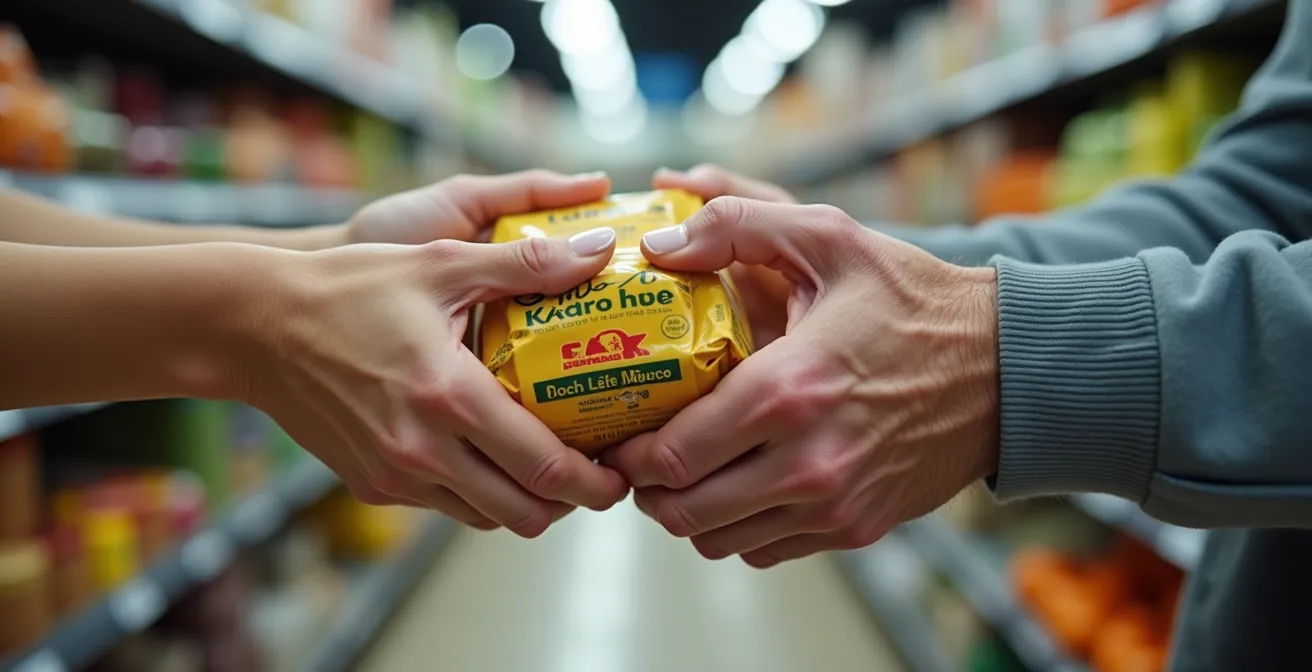
The key to nutritional diplomacy is to shift from directing to collaborating. Instead of giving advice, ask questions that empower them. For example:
- Instead of: « You need to eat more vegetables. »
- Try: « I was thinking of trying a new recipe with roasted asparagus this week. Would you be open to giving it a try with me? »
- Instead of: « That has too much sugar. »
- Try: « I’m trying to understand these labels better. Could you help me look at this one and see what the sugar content is? »
This reframing is subtle but profound. It positions them as a respected partner, a wise consultant, or a fellow explorer, rather than a patient to be managed. You are communicating the same goal, but in a language of respect and collaboration that is far more likely to be heard.
Key Takeaways
- Diplomacy Over Dictatorship: Your role is not to be the « food police » but a collaborative partner. Frame dietary changes as a team effort, not a set of rules you are enforcing.
- Gradual Change is Sustainable Change: The palate can be re-educated. Use subtle, incremental swaps and blended approaches to reduce salt and sugar without triggering a sense of deprivation.
- Avoid « Nutritional Tunnel Vision »: Focusing on a single issue (like sugar) can worsen others (like hypertension from high-sodium processed foods). Prioritize a whole-foods approach for balanced health.
Why Seniors Lose Appetite and How to Fix It With Nutrient-Dense Micro-Meals?
As your parent’s diet becomes more restrictive, you may notice another alarming trend: a general loss of appetite. This is a common and complex issue in seniors, driven by a convergence of factors. Physiologically, their senses of taste and smell can diminish, making food less appealing. Dental problems or difficulty swallowing can make eating laborious. Furthermore, certain medications can alter taste or cause nausea. The psychological impact we’ve discussed—feeling controlled or depressed—is also a powerful appetite suppressant.
When a senior is not eating enough, the traditional « three square meals a day » model can be intimidating. A large plate of food can feel like an insurmountable challenge. The diplomatic and nutritionally sound solution is to pivot to nutrient-dense micro-meals. This strategy involves offering five or six small, appealing, and easy-to-eat mini-meals throughout the day instead of three large ones. This approach is less overwhelming and provides more opportunities to get vital calories and nutrients into their system.
A successful micro-meal is built on a « Power Trio » template: a protein, a complex carb/fiber, and a source of color (vitamins/antioxidants). This ensures each small offering packs a nutritional punch.
- Protein component: One hard-boiled egg, a scoop of Greek yogurt, or a few slices of lean turkey.
- Complex carb/fiber: A few whole-grain crackers, a spoonful of oatmeal, or half of a small baked sweet potato.
- Color source: A handful of berries, sliced bell peppers, or a few cherry tomatoes.
For those with chewing difficulties, textures can be modified. Fortified soups, smoothies with added protein powder, or mashed avocado on soft toast are excellent options. Sometimes, starting with a savory broth or a small fruit smoothie can help stimulate the appetite for the slightly larger micro-meal to follow. This strategy meets them where they are, making nutrition manageable and reducing the pressure associated with large, daunting meals.
By shifting your approach from enforcement to collaboration, you can transform mealtime from a battlefield into a space for connection and care. To put these principles into practice, begin by choosing just one diplomatic strategy from this guide to try this week—perhaps the « label detective » game at the grocery store—and build from that small, shared success.