Health & Care
Health and care for seniors and people with reduced mobility represents far more than just medical attention—it encompasses a holistic approach to maintaining dignity, independence, and quality of life. As our bodies naturally change with age or face mobility challenges, the way we approach daily wellness must evolve too. Think of it as recalibrating rather than declining: the fundamentals remain the same, but the methods adapt to meet new needs.
Whether you’re caring for a loved one, planning for your own future, or simply seeking to understand this vital field better, this comprehensive overview will walk you through the essential pillars of senior health and care. From daily routines and nutrition to mobility support and mental wellness, we’ll explore practical strategies that respect individual autonomy while ensuring safety and comfort. Understanding these elements empowers you to make informed decisions and advocate effectively for yourself or those you care about.
Understanding the Foundations of Senior Health & Care
Health and care in the context of aging or reduced mobility isn’t a one-size-fits-all concept. It’s best understood as a personalized framework that addresses physical, mental, emotional, and social well-being simultaneously. Unlike standard healthcare that often focuses on treating specific conditions, this approach takes a 360-degree view of a person’s daily life and needs.
The core philosophy centers on three interconnected principles. First, maintaining maximum independence for as long as safely possible—this means providing support that enables rather than replaces personal agency. Second, preventing complications before they arise through proactive monitoring and adaptation. Third, ensuring comfort and dignity in every aspect of care, recognizing that emotional well-being directly impacts physical health.
Consider this practical example: helping someone bathe isn’t just about hygiene. It’s an opportunity to check skin condition, observe mobility changes, maintain daily routine, and provide social interaction. This multifaceted perspective transforms routine tasks into comprehensive wellness moments that address multiple needs simultaneously.
Daily Care Routines and Personal Hygiene
Establishing consistent daily care routines provides structure, promotes health, and preserves self-esteem. However, these routines must balance thoroughness with respect for individual preferences and capabilities. The goal is to support, not to take over.
Essential Daily Care Practices
Personal hygiene routines should be adapted to individual mobility levels and cognitive abilities. For many seniors, morning and evening routines become anchoring moments of the day. Key practices include:
- Bathing and showering with appropriate safety equipment like grab bars, non-slip mats, and shower chairs
- Oral care including denture maintenance, which directly impacts nutrition and overall health
- Skin care and monitoring for pressure sores, especially for those with limited mobility
- Hair care and grooming that maintains personal identity and self-confidence
Maintaining Dignity and Independence
The emotional dimension of daily care is often underestimated. Simple adaptations can preserve autonomy: long-handled brushes for those with limited reach, adaptive clothing with magnetic closures instead of buttons, or adjustable mirrors for wheelchair users. These modifications allow individuals to maintain their routines with minimal assistance.
Timing matters too. Rushing through care routines can feel disrespectful and increase fall risk. Building in extra time demonstrates patience and allows the person to participate as much as they’re able, which maintains both physical function and emotional well-being.
Mobility, Accessibility, and Physical Well-being
Mobility represents freedom—the ability to move through one’s environment safely and confidently. For seniors and people with reduced mobility, maintaining or adapting this capability is central to overall health and independence.
Supporting Safe Movement
Think of mobility support as creating a safety net that catches you before you fall, rather than picking you up afterward. This involves several layers of intervention:
- Strength and balance exercises tailored to current abilities, even simple chair exercises can significantly reduce fall risk
- Appropriate mobility aids—from canes and walkers to wheelchairs—properly fitted and regularly maintained
- Proper footwear with non-slip soles and good support, avoiding common hazards like loose slippers
- Regular vision and hearing checks, as sensory decline directly impacts balance and spatial awareness
Adapting Living Spaces
Environmental modifications can transform a hazardous space into a safe, navigable one. Studies consistently show that most senior falls occur at home, yet relatively simple changes dramatically reduce this risk. Strategic improvements include removing tripping hazards like loose rugs, installing adequate lighting especially in hallways and stairs, widening doorways for walker or wheelchair access, and lowering essential items to reachable heights.
The bathroom deserves special attention as a high-risk area. Raised toilet seats, grab bars strategically placed near toilets and in showers, and walk-in tubs or curbless showers can prevent the majority of bathroom-related injuries while maintaining independence in this most private of spaces.
Nutrition and Hydration: Fueling Health at Every Age
Nutritional needs evolve with age, yet adequate nutrition remains foundational to health, healing, and vitality. Many seniors face challenges including decreased appetite, difficulty chewing or swallowing, medication interactions, or simply the loss of interest in cooking for one.
Understanding these changes is crucial. Metabolism slows, but the need for nutrient-dense foods actually increases. Protein becomes even more important for maintaining muscle mass and preventing frailty. Calcium and vitamin D support bone health, while fiber aids digestion, which often slows with age. Rather than focusing on restrictive diets, the emphasis should be on foods that pack maximum nutritional value into smaller portions.
Practical strategies make a significant difference. Preparing meals in batches and freezing portions ensures nutritious options are always available. Softer foods or pureed options accommodate chewing difficulties without sacrificing nutrition. Adding herbs and spices compensates for diminished taste perception, making meals more appealing. Eating socially, even occasionally, stimulates appetite and provides valuable interaction.
Hydration deserves equal attention. Thirst sensation diminishes with age, meaning many seniors are chronically dehydrated without realizing it. Setting regular drinking reminders, keeping water within easy reach, and offering variety through herbal teas or water-rich foods like soups and fruits can maintain adequate hydration. Dehydration contributes to confusion, falls, urinary infections, and hospitalization—all preventable with consistent fluid intake.
Mental and Emotional Wellness: The Often Overlooked Pillar
Physical health rightfully receives significant attention, but mental and emotional wellness are equally vital components of comprehensive care. Depression, anxiety, and social isolation affect millions of seniors, yet these conditions are neither inevitable nor untreatable aspects of aging.
Social connection functions like vitamins for the brain. Regular interaction—whether through family visits, community centers, hobby groups, or even video calls—provides cognitive stimulation, emotional support, and a sense of purpose. Loneliness has been compared to smoking fifteen cigarettes daily in terms of health impact; conversely, strong social ties improve both longevity and quality of life.
Cognitive engagement keeps minds active and resilient. This doesn’t require complex puzzles or formal brain training. Simple activities provide significant benefits:
- Reading books, newspapers, or listening to audiobooks
- Learning new skills, even small ones like a craft technique or card game
- Engaging in conversations about current events or reminiscing about personal history
- Creative activities like drawing, music, or gardening that combine physical and mental engagement
Recognizing signs of emotional distress is equally important. Changes in sleep patterns, withdrawal from previously enjoyed activities, increased irritability, or unexplained physical complaints can signal underlying depression or anxiety. These conditions respond well to treatment, whether through counseling, social support, medication, or typically a combination of approaches. Addressing mental health with the same seriousness as physical health creates a truly comprehensive care approach.
Preventive Care and Regular Health Monitoring
Preventive care represents the most effective healthcare investment we can make. Rather than waiting for problems to become serious, proactive monitoring catches issues early when they’re most treatable and least costly—both financially and in terms of quality of life.
Regular health screenings form the backbone of prevention. These should include routine checks for blood pressure, cholesterol, diabetes, vision, hearing, and cancer screenings appropriate to age and risk factors. Dental examinations prevent painful infections and preserve the ability to eat nutritious foods. Medication reviews ensure prescriptions remain appropriate and don’t interact dangerously—polypharmacy, taking multiple medications, creates significant risks in older adults.
Home monitoring also plays a crucial role. Being alert to changes helps catch problems early. Key indicators to watch include:
- Mobility changes—shuffling gait, increased unsteadiness, or reluctance to move normally
- Cognitive shifts—confusion, forgetfulness beyond normal aging, or difficulty with familiar tasks
- Appetite or weight changes, especially unexplained weight loss
- Mood or behavior alterations that persist beyond a few days
- New or worsening pain that limits activities
Vaccination remains important throughout life. Flu shots, pneumonia vaccines, shingles prevention, and keeping tetanus current all protect against serious, preventable illnesses. These become increasingly important as immune systems naturally weaken with age.
Finally, maintaining open communication with healthcare providers creates a partnership approach. Preparing questions before appointments, bringing a list of current medications, and honestly discussing challenges or concerns ensures that medical care aligns with actual daily needs and goals.
Health and care for seniors and people with reduced mobility encompasses far more than medical treatment—it’s a comprehensive, person-centered approach that honors dignity while supporting wellness across all dimensions of life. By understanding these interconnected elements and adapting them to individual circumstances, we create environments where people can thrive, not merely survive, at every stage of life. The most effective care balances safety with autonomy, provides support without removing agency, and recognizes that quality of life matters just as much as length of life.
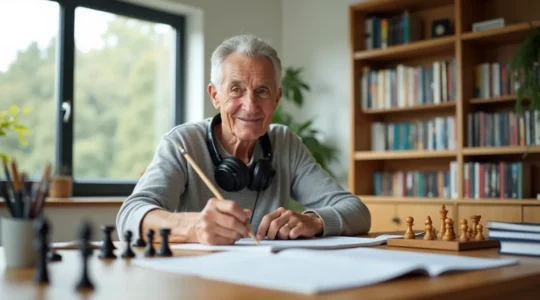
How to Stimulate Cognitive Health Daily Without Buying Expensive Brain Games?
Contrary to popular belief, the key to a sharp mind isn’t repeating the same puzzles, but intentionally breaking your brain’s « autopilot » mode in everyday life. Over-reliance on tools like GPS can weaken core cognitive functions like spatial memory. Simple, novel…
Lire la suite
Why You Need a Geriatrician to Coordinate Care for Seniors Over 80
The greatest threat to a senior’s health isn’t a single disease; it’s the chaos of uncoordinated medical care from multiple specialists who don’t communicate. Fragmented care leads to dangerous « prescribing cascades, » where side effects are mistakenly treated with more drugs….
Lire la suite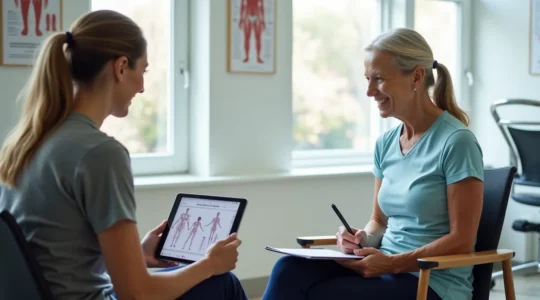
Insurance Capped Your Physical Therapy? Here’s How to Keep Your Recovery Going
Hitting your insurance cap is not the end of your recovery; it’s a forced transition to becoming the CEO of your own rehabilitation. Your policy likely doesn’t cover « maintenance » or slow-progress therapy, even if it’s crucial for your well-being. Stopping…
Lire la suite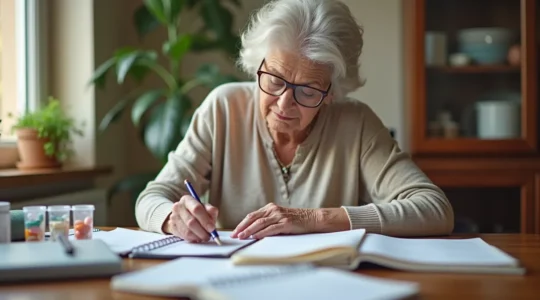
How to Manage Multiple Chronic Conditions Simultaneously Without Burnout?
Managing multiple chronic conditions isn’t about more effort; it’s about a smarter system. Adopt a « CEO of Your Health » mindset to coordinate specialists and prevent conflicting advice. Implement structured systems for tracking symptoms, energy, and medications to turn data into…
Lire la suite
Why Early Cognitive Assessments Are Crucial for Seniors—Before Symptoms Worsen
Delaying a cognitive test for a parent isn’t protecting them; it may be closing the door on reversing their symptoms. Many « dementia » signs are actually mimics caused by treatable issues like vitamin deficiencies, medication side effects, or depression. Early tests…
Lire la suite
How to Re-establish a Stable Health Baseline After a Major Senior Surgery?
Recovering from major surgery as a senior is more than just letting a wound heal. True stability comes from methodically rebuilding your body’s « internal scaffolding »—the muscle, metabolism, and confidence that surgery quietly weakens. This guide provides a milestone-focused framework to…
Lire la suite
How to Organize Complex Medical Records for Seniors Without Getting Overwhelmed?
The key to managing a senior’s complex medical history is not to create a perfect archive, but to build a dynamic, ‘ER-ready’ system that prioritizes critical data. Organizing is a strategic act of care coordination, not a clerical task, because…
Lire la suite