Accessible Homes
Creating a home that welcomes everyone, regardless of physical ability, represents more than just architectural consideration—it’s about dignity, independence, and quality of life. An accessible home removes barriers that can transform simple daily activities into exhausting challenges, enabling people to navigate their living spaces with confidence and safety.
Whether you’re aging in place, supporting a family member with mobility challenges, or simply planning for the future, understanding accessible home design empowers you to make informed decisions. This comprehensive resource explores the fundamental principles, essential features, and practical considerations that transform ordinary houses into inclusive sanctuaries where everyone can thrive.
Understanding Accessible Home Design
Accessible home design isn’t a one-size-fits-all approach—it’s a thoughtful philosophy that anticipates diverse needs and creates environments that adapt to changing circumstances throughout life.
Core Principles of Accessibility
Think of accessibility as designing with flexibility at its heart. The foundation rests on several interconnected principles that work together harmoniously. These include creating barrier-free pathways throughout the home, ensuring adequate maneuvering space for mobility devices, providing multiple ways to interact with the environment, and incorporating features that reduce physical strain.
The concept of universal design takes this further by creating spaces that serve the widest possible range of people without requiring specialized adaptation. A curbless shower, for instance, benefits not only wheelchair users but also parents with strollers, individuals recovering from surgery, and anyone seeking a sleek, modern aesthetic.
Who Benefits from Accessible Features
While accessibility modifications are often associated with specific groups, their impact extends far beyond initial assumptions. Seniors maintaining independence in their longtime homes find that grab bars and lever-style door handles reduce fall risks and joint strain. People with permanent mobility impairments discover freedom in wider doorways and roll-under sinks. Those recovering from temporary injuries appreciate the safety of non-slip flooring and accessible showers.
Parents with young children, delivery personnel, and even homeowners rearranging furniture benefit from stepless entries and wider hallways. This demonstrates a crucial truth: accessible design improves life quality for everyone, not just those with identified disabilities.
Essential Features That Transform Spaces
Converting a standard home into an accessible sanctuary involves strategic modifications that address the most common mobility challenges. Understanding these key features helps prioritize improvements based on individual needs and budgets.
Entry and Circulation Improvements
The journey to accessibility begins at the front door. Ramped or zero-step entries eliminate the most significant barrier many homes present, while doorways widened to at least 32 inches accommodate wheelchairs and walkers comfortably. Consider this comparison to understand the impact:
- Standard doorways (28-30 inches) create tight squeezes and potential damage to walls and door frames
- Accessible doorways (32-36 inches) allow smooth passage with mobility devices and enable easier furniture movement
- Lever-style handles replace knobs, requiring less grip strength and dexterity
- Adequate turning radius (60-inch diameter circles) in hallways and rooms permits wheelchair maneuverability
Flooring transitions deserve special attention—even small lips between rooms can create tripping hazards or impede wheeled mobility devices. Flush transitions and slip-resistant surfaces throughout the home provide both safety and seamless navigation.
Bathroom and Kitchen Adaptations
These high-use spaces demand particular attention, as they involve water hazards, frequent reaching and bending, and complex daily activities. In bathrooms, roll-in or curbless showers with built-in seating transform what can be a dangerous daily ritual into a safe, comfortable experience. Grab bars strategically placed near toilets, showers, and tubs provide crucial support—when properly installed, they can support 250 to 500 pounds, offering genuine security rather than decorative reassurance.
Raised toilet seats and comfort-height fixtures reduce the physical demand of sitting and standing, while adjustable handheld showerheads accommodate users of varying heights and positions. In kitchens, lowered countertop sections and pull-out shelving bring items within easy reach without stretching or climbing. Side-opening ovens eliminate the awkward reach over hot doors, and touchless or lever faucets simplify operation with limited hand mobility.
Planning Your Home Accessibility Project
Approaching accessibility improvements systematically ensures you address the most critical needs first while planning for future modifications. Begin with a thorough assessment of daily routines—which activities cause difficulty or require assistance? Which rooms see the most use? This functional evaluation reveals priorities that might not be obvious from a purely architectural perspective.
Budget considerations naturally influence decision-making, but remember that accessibility investments often provide dual returns: improved quality of life now and increased home value later. Prioritize modifications in this general sequence:
- Safety-critical changes like grab bars, non-slip flooring, and adequate lighting
- Mobility enhancements such as ramps, widened doorways, and accessible bathrooms
- Convenience features including adjustable countertops, smart home technology, and lever handles
- Future-proofing elements like reinforced bathroom walls for future grab bar installation
Consulting with occupational therapists or certified aging-in-place specialists provides invaluable insights into your specific needs. These professionals assess how you interact with your environment and recommend tailored solutions that generic checklists might miss. Additionally, many communities offer financial assistance programs, tax credits, or low-interest loans for accessibility modifications—research local resources before beginning your project.
Smart Technology and Modern Solutions
Contemporary accessible homes increasingly incorporate technology that extends independence and enhances safety without institutional aesthetics. Voice-activated systems control lighting, temperature, and security, eliminating the need to reach switches or manipulate small controls. Smart doorbells with video capabilities let residents screen visitors without approaching the door, while automated door locks provide security without fumbling with keys.
Environmental sensors detect falls, unusual inactivity patterns, or hazardous conditions like water leaks or smoke, alerting caregivers or emergency services when needed. Meanwhile, adjustable-height systems for kitchen cabinets and bathroom vanities accommodate multiple users or changing needs with the push of a button. These technologies integrate seamlessly into modern home design, proving that accessibility and aesthetics need not conflict.
Lighting deserves special mention as both a safety feature and accessibility enhancement. Motion-activated pathway lighting prevents nighttime falls, while adjustable color temperature and brightness accommodate varying vision needs throughout the day.
Creating an accessible home represents an investment in dignity, safety, and independence that pays dividends throughout life’s journey. By understanding core principles, identifying essential features, and planning modifications strategically, you transform physical structures into truly supportive environments. Whether implementing comprehensive renovations or beginning with targeted improvements, each accessibility enhancement moves you closer to a home that adapts to your needs rather than forcing you to adapt to its limitations. The path to accessibility begins with a single modification—the important step is simply to begin.
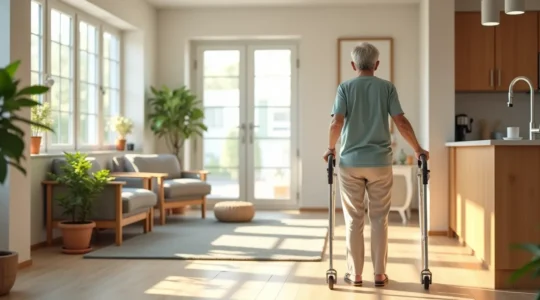
Beyond Falls: A Forensic Safety Audit for Hidden Dangers in a Senior’s Home
While families focus on fall-proofing, the most catastrophic risks for seniors often hide in ‘passive systems’ like water heaters and electrical outlets. Seconds of exposure to overly hot tap water can cause third-degree burns, a risk far more acute than…
Lire la suite
How to Use Automated Lighting to Prevent Falls During Nighttime Bathroom Trips?
In summary: Swap harsh blue-light LEDs for sleep-preserving red or warm amber lights to protect melatonin production. Position motion sensors to create « anticipatory illumination, » lighting up paths before you enter them. Design a resilient system with physical switches and local…
Lire la suite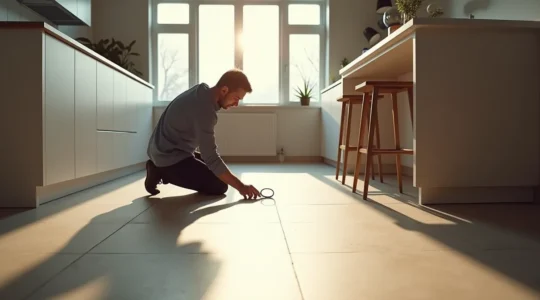
Which Non-Slip Floor Coverings Offer the Best Safety Rating for Kitchens?
Choosing a truly non-slip kitchen floor is less about the material’s brand name and more about understanding the certified safety science behind its performance. Slip resistance is a measurable standard (R-Rating/DCOF), not just a « textured feel. » An R10 rating is…
Lire la suite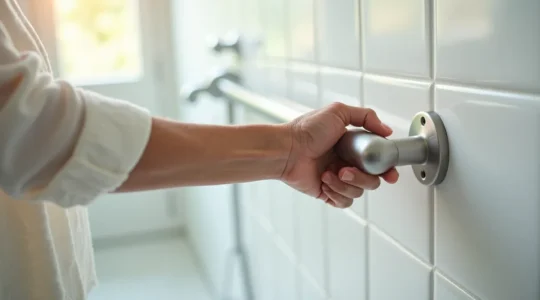
Where to Install Grab Bars: A Biomechanical Guide to Leverage and Safety
In summary: Suction cup grab bars are dangerously unreliable due to their low, static weight rating and susceptibility to catastrophic failure under dynamic loads. Grab bar angle is functional: horizontal for pushing/pulling stability, vertical for sit-to-stand pulling leverage, and diagonal…
Lire la suite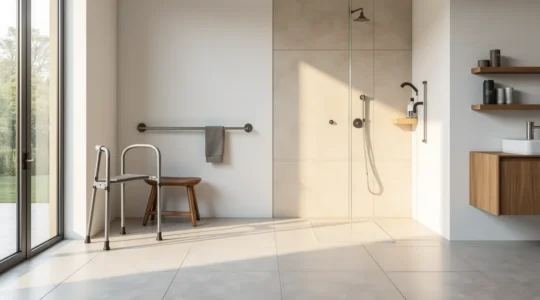
How to Design a Curbless Walk-In Shower That Doesn’t Leak?
In summary: A leak-proof curbless shower depends on a complete water management system, not just one component. The linear drain’s flow rate capacity must exceed the total output of all shower heads combined. Proper sloping, wall waterproofing, and system-compatible materials…
Lire la suite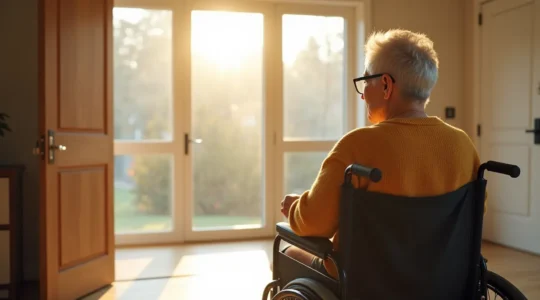
How to Widen Doorways for Wheelchair Access With Minimal Structural Impact?
In summary: Minimal-impact solutions like offset hinges can add up to 2 inches of clearance without altering the door frame. The crucial measurement is the « clear width » (the actual passable space), not the width of the door slab itself. Reversing…
Lire la suite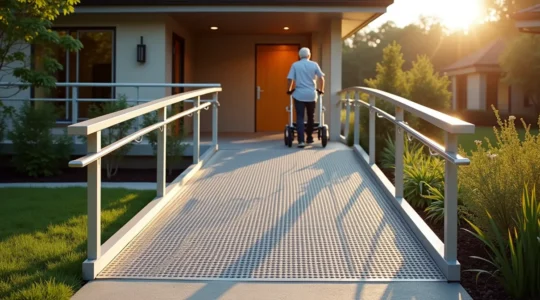
How to Choose and Install the Right Modular Ramp for Your Home Entrance?
Choosing a modular ramp is a critical engineering task where a single miscalculation can lead to serious danger; safety depends on precise geometry, not guesswork. Slope is non-negotiable: A ramp that is too short creates a hazardous incline that is…
Lire la suite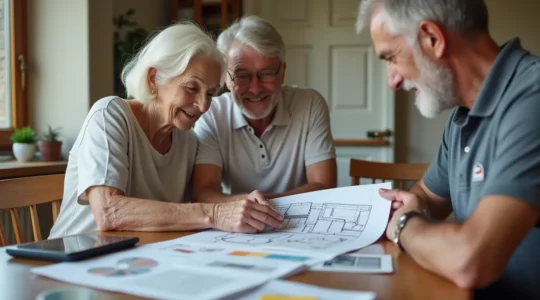
How to Create a Master Plan for Making Your Home Accessible on a Budget?
The long-term success of your accessibility renovation depends less on the total budget and more on a strategic, « future-proof » master plan. Success starts with prioritizing modifications based on statistical risk (like bathrooms), not just current inconvenience. Hiring a Certified Aging-in-Place…
Lire la suite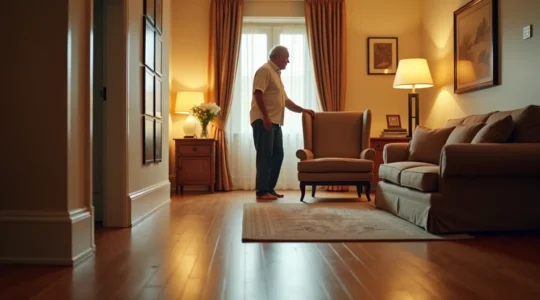
How to Identify and Eliminate Hidden Fall Risks in a Senior’s Living Room?
Effective fall prevention for a shuffling parent is not about generic decluttering; it’s a forensic audit of ‘micro-hazards’ that catch the foot. The most dangerous risks are often the smallest: rug edges, floor transitions, and worn-out cane tips. Lighting is…
Lire la suite
How to Retrofit a 2-Story Home to Enable Seniors to Age in Place Safely?
Successfully retrofitting a multi-story home for aging in place requires a systemic architectural plan, not just a series of isolated modifications. Prioritizing a ground-floor master suite often provides a more sustainable and valuable solution than relying solely on stair-navigation devices….
Lire la suite